

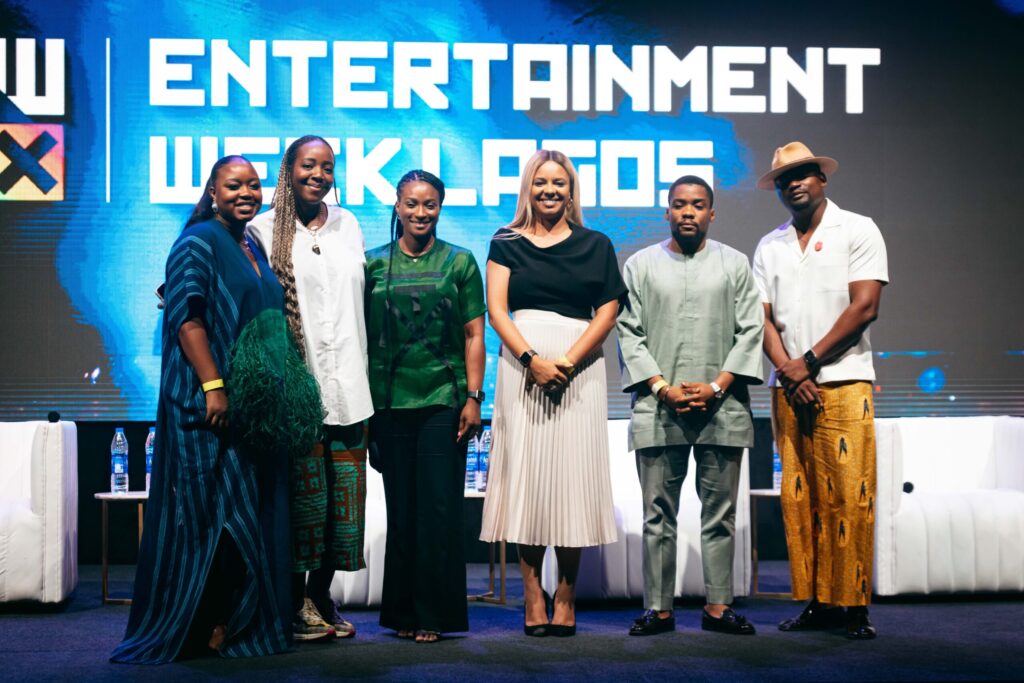
Entertainment Week Africa is returning to Lagos for its fifth edition, bringing together creatives, entrepreneurs, investors and industry leaders for six days focused on strengthening Africa’s growing creative economy.
The 2026 edition will take place from November 17 to 22 under the theme “Closing the Gap.” The event will cover music, film and television, fashion and beauty, artificial intelligence and technology, art and animation, live events and production, and creative enterprise.
The fifth anniversary comes as African music, fashion, film and other creative industries continue to gain international attention. Organizers are now looking beyond visibility to address the business structures, investment opportunities and market access needed to turn Africa’s creative influence into sustainable economic growth.
From Lagos Event to Pan-African Platform
Entertainment Week Africa has grown significantly since its launch, evolving from a Lagos-based creative gathering into a platform connecting different parts of Africa’s entertainment and creative industries.

According to organizers, the first four editions attracted more than 67,800 attendees in total. The 2025 edition alone recorded 28,683 pass holders representing more than eight countries and 50 industries.
Last year’s programme included 61 sessions, 93 film screenings, 20 music showcases and nine fashion showcases. Organizers also reported more than five million online engagements and significant digital reach across Africa and other international markets.
The 2026 edition aims to build on that momentum while placing greater emphasis on creating tangible opportunities for African creative professionals and businesses.
Seven Tracks Across the Creative Economy
This year’s Entertainment Week Africa will feature seven major industry tracks covering some of the fastest-growing areas of Africa’s creative economy.
Music will bring together artists, record labels, managers, publishers, platforms and music technology companies. The Film and TV track will focus on filmmakers, producers, streaming services, distributors, writers and actors.
Fashion and Beauty will connect designers and entrepreneurs with buyers, investors and other industry players, while AI and Tech will explore the growing relationship between technology and creative work.
Other tracks will focus on Art and Animation, Live Events and Production, and Creative Enterprise.
The structure is designed to encourage collaboration between industries that have traditionally operated separately but are becoming increasingly connected as Africa’s entertainment economy expands.
Turning Creative Talent Into Business
One of the major themes of the 2026 edition is helping African creatives move from visibility to sustainable business growth.
African artists, filmmakers, designers and other creative professionals have gained greater international recognition in recent years. However, challenges around financing, distribution, intellectual property, market access and business development continue to affect the industry’s long-term growth.
Entertainment Week Africa plans to address these gaps through initiatives connecting creative professionals with investors, buyers, distributors and other potential partners.
The programme will include platforms such as the EWA Deal Room, Content and Music Markets, Capital Desk and Creators Hub.
These initiatives are intended to create practical opportunities for deals and partnerships rather than limiting the event to panel discussions and networking.
Fashion and Beauty Take a Bigger Role
Fashion and beauty will receive increased attention during the fifth edition.
African fashion has gained significant global visibility, with designers and brands appearing on international runways and attracting attention from celebrities and global media.
The challenge for many designers, however, remains converting that attention into sustainable businesses with reliable distribution and access to international markets.
The expanded Fashion and Beauty programme will bring together designers, buyers, investors, brand partners and industry executives to explore ways of strengthening the commercial side of African fashion.
The Runway Coterie initiative, which attracted more than 120 entries and showcased ten emerging designers in 2025, is also expected to evolve into a more structured environment connecting designers with commercial opportunities.
Connecting Africa to Global Opportunities
Entertainment Week Africa has also expanded its international engagement through EWA Creative Connect.
The initiative has taken the conversation around Africa’s creative economy beyond the continent, with gatherings held in international cities including Los Angeles and London.
These engagements have brought African creative industry stakeholders into conversations with executives and organizations operating across entertainment, technology, finance and consumer industries.
The goal is to create stronger connections between African creative businesses and the international companies and investors interested in the continent’s rapidly developing entertainment market.
Building Africa’s Creative Economy
Africa’s creative industries are increasingly being recognized as an important source of employment, entrepreneurship and economic opportunity.
The global rise of African music, cinema, fashion and digital content has demonstrated the continent’s cultural influence. The next challenge is ensuring that African creators and businesses capture more of the economic value generated by their work.
Entertainment Week Africa’s “Closing the Gap” theme reflects this shift.
As the event prepares to mark its fifth anniversary in Lagos, its focus will be on connecting talent with capital, creative ideas with commercial opportunities and African cultural influence with the infrastructure needed to build sustainable businesses.
The November gathering is expected to provide another major meeting point for the people shaping Africa’s entertainment and creative industries while strengthening conversations about how the continent can transform its growing cultural influence into lasting economic power.

Comments (0)
No comments yet — be the first to share your thoughts.